joi, 18 aprilie 2013

Editorial / Interviu cu Ionut Fiscu - Tango-ul argentinian de la EROTISM la RAFINAMENT


Tango-ul a aparut din singuratate, la sfarsitul sec IXX, in Buenos Aires soseau peste un milion de emigranti,  in marea lor majoritate barbati, muncind din greu, cautau in timpul liber noi modalitati de distractie si de integrare in noua viata.
Inceputurile masculine ale tango-ului si controversata lui origine din suburbiile sarace ale Buenos Aires-ului, din bordeluri si spelunci, ne vorbesc despre scheme de dans si figuri  exersate mai intai  intre barbati, pentru ca apoi, ele sa fie demonstrate in fata femeilor de moravuri usoare. Bărbatii căutau cele mai incitante mişcări de dans pentru a impresiona femeile  şi prin aceasta, desigur, pe alţi bărbaţi. Maiestria  in dans, era, se pare, o chestiune de orgoliu masculin si o dovada de virilitate. Datorita caracterului sau licentios, tango-ul nu a fost la inceput acceptat de societatea argentiniana.

Tango-ul, un dans senzual si orgolios deopotriva

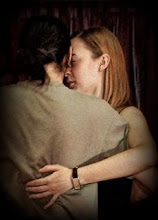
La inceputul sec.XX,  europenii descopera tango-ul din suburbiile Buenos Aires-ului si il duc in saloanele de dans din Paris.  De aici, tango-ul s-a intors in Argentina si a devenit o chestiune de “bon ton”, un eveniment monden si un dans acceptat, prezent in toate localurile si pe strazile Buenos Aires-ului. Tot acum se contureaza si tango-ul in forma lui actuala: un dans senzual si orgolios, profund si pasional deopotriva.
Universalitatea tango-ului
Exista un singur tango, cel argentinian. Fie ca esti in Bucuresti sau la Tokyo, vei putea pluti pe acordurile muzicii de tango, cu aceiasi pasi si aceleasi scheme de dans, indiferent de tara sau continentul in care te afli. Vei descoperi poate mai multe tipuri de imbratisare, vei fi atras probabil de una dintre ramurile tango-ul argentinian: Tango Nuevo, Escenario, Salon sau Milonguero, insa, cu siguranta  vei putea simti universalitatea si limbajul unic al tango-ului oriunde te-ai afla! Aici este frumusetea acestui dans, imi spune Ionut, pe un ton entuziast si apoi imi marturiseste ca “ in prezent, toate calatoriile mele se indreapta catre locatiile in care se danseaza tango”.
Pe Ionut Fiscu si Ramona Budui i-am cunoscut in 2010, la un curs de tango. Erau la inceput, deschisesera de un an  scoala de dans Tango Magico.  Primul lucru care mi-a venit in minte cand i-am vazut dansand a fost: “ Doamne cata armonie este in dansul lor!”, se miscau impreuna, plutind pe muzica. Miscarile lor porneau la unison odata cu fiecare pas, iar corpurile, prinse intr-o imbratisare stransa, se completau de parca ar fi fost unul. Am fost din ce in ce mai intrigata atunci cand am observat ca Ramona “plutea” pe tocuri de 11cm!
Acum, dupa aproape 3 ani de la  prima intalnire, sunt bucuroasa sa ii reintalnesc, bineinteles tot in lumea dansului, a comunitatii constantene de tango pe care ei au format-o si au crescut-o cu fiecare an.
Se pare ca pentru oamenii care se dedica unei pasiuni, timpul trece altfel, ramanand  la fel de frumosi sau poate ca devin chiar mai frumosi, hranindu-se cu pasiunea lor.
Zilele trecute, am stat de vorba cu Ionut despre viata si despre tango,  am primit cea mai frumoasa definitie a tango-ului si mi-a ramas creionata in minte imaginea unui dans cu o esenta  subtila, pasionala si profunda. “Tango-ul este inainte de toate un stil si o filosofie de viata. O terapie ce foloseste un limbaj fara cuvinte, un loc in care corpurile comunica fara constiinta sau ratiune, intr-o curgere continua, precum curgerea unui rau in drumul sau spre mare...acolo unde fiecare pas poate fi o vesnicie’’, a declarat Ionut Fiscu, instructor Scoala de Dans – Tango Magico Constanta.
Reporter: Este tango-ul un dans potrivit pentru toata lumea?
Ionut Fiscu: Pentru ca tango-ul este in limbaj, acesta poate fi dansat de oricine. Ne trebuie doua picioare ca sa dansam! (indiferent daca sunt doua picioare stangi sau drepte). (rade). Nu exista nicio restrictie legata de varsta sau de alte norme sociale.
Rep.: Care este profilul unui dansator de tango?
I.F.: Daca vorbim despre trasaturile unui dansator de tango, vom descoperi doua categorii: un profil european: o persoana cu studii superioare, preocupata de dezvoltare personala si un alt profil, al dansatorului de tango sud-american (argentinian) – omul de rand care iese in oras sa danseze si sa petreaca cu prietenii la milonga (petrecere de tango).
Rep.: In cat timp poate invata o persoana sa danseze tango?
I.F.: Deoarece tango-ul este un limbaj intre doua persoane, depinde de fiecare partener ce vrea sa comunice si cu ce acuratete. Se poate spune ca dansam tango din prima ora de curs, insa pentru un nivel ridicat in dans este nevoie de cativa ani. Atentie insa! Cunoscatorii ne spun ca “tango-ul nu se masoara in ani, ci in kilometri”, aceasta deoarece pasul de baza in tango este mersul (caminar).
Rep.: Unde putem dansa tango? Exista o lume a tango-ului?
I.F.: Tango-ul  se danseaza la petreceri numite milongi, unde exista o conduita si o eticheta specifica. Aceste petreceri sunt un spectacol in sine, multi oameni venind aici pentru a se bucura de muzica, dans si de o ambianta speciala. Exista coduri aparte legate de ringul de dans (ronda), de modul in care partenerii se invita la dans, vorbim aici de asa-numitul cabeceo, un acord mutual si o invitatie la dans realizata doar din priviri. Barbatul initiaza invitatia privind inspre partenera cu care doreste sa danseze, dandu-i astfel de inteles intentia sa. Doamna sau domnisoara poate raspunde, intorcandu-i privirea si consimtamantul mutual sau, daca nu doreste sa danseze in acel moment, este de-ajuns sa isi lase privirea sa alunece peste privirea barbatului care a realizat invitatia, semnaland astfel refuzul. Subtilitatea si eleganta acestui gest permite partenerilor libertatea de a-si da consimtamantul sau refuzul pentru urmatorul dans, fara a ofensa insa intentia niciunuia dintre ei.
Rep.: De ce vin oamenii la tango?
I.F.: Pentru ca tango-ul este o metoda alternativa de a te exprima, de a comunica. Imbratisarea si conexiunea cu partenerul sunt primordiale in tango.
Rep.: Pe ce fel de muzica putem dansa tango?
I.F.: Tango se poate dansa pe orice gen de muzica, se poate dansa chiar si pe zgomotul tevilor. In general insa se danseaza pe muzica argentiniana de tango, exista insa si milongi alternative, in care muzica poate varia de la hip-hop la rock. In Romania se organizeaza rar astfel de milongi, insa ele se organizeaza in mod regulat in vestul Europei.
Rep.: Cand si cum a intrat tango-ul in viata ta?
I.F.: Tango-ul a intrat in viata mea intamplator, insa m-am indragostit de el din prima luna de dans, cu atat mai mult cu cat muzica de tango m-a fascinat din primul moment!
Rep.: Cum se muleaza tango-ul pe personalitatea ta?
I.F.: Simt ca tango-ul m-a implinit. Este modul meu artistic de a ma manifesta. Simt toata libertatea pe care acest dans mi-o da ca improvizatie pura.
Nu eu am ales tango-ul, ci tango-ul m-a ales pe mine. Odata ce ai cunoscut imbratisarea tango-ului, nu poti sa traiesti fara ea.
Rep.: Care este cea mai frumoasa experienta din tango?
I.F.: Starea de imponderabilitate. Senzatia ca imi iau zborul.
Rep.: Dar cea mai comica?
I.F.: Sunt nenumarate momente comice atunci cand dansul devine ludic.
Impreuna cu partenera sa de dans, Ramona Budui, au deschis Scoala de dans Tango Magico in anul 2009. Initiativa lor s-a nascut practic dintr-o necesitate: “ne doream sa dansam in Constanta si nu aveam cu cine.” Astfel a luat fiinta prima scoala de tango argentinian de la malul marii. Obiectivul lor este acela de a creste comunitatea locala de tango, de a promova tango-ul argentinian in Constanta si in Romania.
Pentru 2013 au planuri mari: implementarea si derularea unui proiect finantat de UE, prin care studentii de la Universitatea Ovidius din Constanta vor beneficia de cursuri gratuite de tango argentinian. “Acest proiect ma bucura enorm, pentru ca imi doresc ca acest dans sa ajunga la cat mai multi oameni. Consider ca este spre binele tuturor, al meu, al tau, al oricui”, a mai spus Ionut.
As fi stat ore intregi de vorba cu Ionut, i-am admirat dedicatia si pasiunea cu care vorbeste despre tango si am gustat pentru prima data dintr-o altfel de filosofie a dansului. Vorbele au curs precum “un rau in drumul sau spre mare”, iar acum, spre final, nu imi ramane decat  sa imi pun pantofii de dans si sa plutesc la nesfarsit. Ma mai intreb doar: oare cine nu si-ar dori sa faca asta…chiar numai cu gandul?
Pentru toti cei care doresc sa invete sa danseze tango argentinian, Scoala de dans Tango Magico organizeaza:

Cursuri:
Marti  si  Joi– incepand cu orele 19.30
Milonga – Vineri – incepand cu orele 22.00

Evenimente
Tango Del Mar -  14-16 iunie 2013, Hotel Central din Mamaia - evenimentul reuneste la malul marii iubitorii de tango din tara si strainatate
Un Abrazo Porteno – 4-6 octombrie, in Bucuresti si are ca invitati profesori de tango argentinian de renume international.
Pentru detalii sau informatii despre cum va puteti inscrie la cursurile si evenimentele de tango, intrati pe site-ul oficial al scolii de dans www.tangomagico.ro sau pe pagina de facebook Tango Magico. De asemenea, in fiecare miercuri de la orele 22.00 – 00.00, la Radio Neptun, Ionut Fiscu va delecteaza cu emisiunea Misterele Tango-ului.
Autor: Roxana Leila Gemai

joi, 27 septembrie 2012

Un abrazo porteño: Carlitos Espinoza & Noelia Hurtado in Romania

'Un Abrazo Porteño' introduces

CARLITOS ESPINOZA & NOELIA HURTADO for the first time in Romania!


On October 5th-7th, Bucharest hosts this amazing couple for a weekend of workshops and demo:

-- 7 workshops with the hottest milonguero couple of the year!
-- 1 women technique with the amazing Noelia!
-- 3 wonderful milongas!

‘Un Abrazo Porteno’ is a concept by which over a weekend of seminars and milongas with demos, Argentine tango maestros share their knowledge with you.

For this 4th edition, Tango Magico invites you to have a taste of the magic and experience of the amazing couple which is Carlitos Espinoza and Noelia Hurtado!

The programme comprises three days of workshops on various topics (tango, vals, milonga) and three nights of milongas, thus:

FRIDAY, October 5
18.30-20.00 W1 Connection: axis, awareness and perception in the couple
20.15-21.45 W2 Circularity: the beginning of dissociation, spirals, pivot

22.30-04.00 Opening Milonga - DJ: Ramona Budui (Constanta, Romania)


SATURDAY, October 6
13.30-15.00 W3 Vals: Using various rhythmical structures to play with the music
15.15-16.45 W4 Turns and counterturns: adapting the embrace to keep the connection
17.00-18.30 W5 Milonga: A few catchy sequences to use on the dance floor

22.30-04.00 Gran Milonga with the show of CARLITOS & NOELIA - DJ: Gabriela Manea (Bucharest, Romania)


SUNDAY, October 7
13.30-15.00 WT: Women Technique with Noelia
15.15-16.45 W6 Rolling in turns: elasticity and different points of contact in the embrace
17.00-18.30 W7 Milonga: managing the weight in relation with the axis, dissociation - traspie

20.00-01.00 Closing Milonga - DJ; Gergana Boeva (Sofia, Bulgaria)


Booking may be made individually or in couples, but we strongly recommend that you register with a partner. If you choose to register without one, your registration will become valid only after receiving an e-mail from us confirming that you do have a partner.
Confirmation of your booking is made only upon payment.

To register simply send us a message at contact@tangomagico.ro with the following specifications:

Full name:
City, Country:
Registering as: Leader/Follower
E-mail:
Phone number:
Name of your partner (for workshops):
Message: (Workshops/Milongas/Pack, observations/details)


The VENUE of the event (classes and milongas) is the dance studio on 82 Popa Nan street in Bucharest. The floor is wooden.

Our recommendation of accommodation is ****Hotel RIN Central, 10 minutes on foot from our venue.
Special prices have been negotiated for this event and event participants get a 40% discount!

To book a room, address the RIN Central hotel directly on www.rinhotels.ro/ and use the keyword TANGO to get the special price.

See you soon!
Tango Magico

luni, 21 mai 2012

O noua grupa de începatori la tango, un nou studio pentru Tango Magico!


Tango Magico, prima scoala de tango argentinian din Constanta, a deschis un nou studio si te invita sa faci primii pasi de tango incepand din 18 mai la studioul de dans din strada Ilarie Voronca nr 6-8, etajul 2 (colt cu strada Grivitei, zona Tomis Mall).


Vineri, 18.05, a debutat o noua serie de lectii pentru incepatori, insa inscrierile continua toata luna mai!
Lectiile vor avea loc in fiecare MIERCURI si VINERI după următorul program:
- 19.30-21.00 începători
- 21.00-22.30 intermediari 


La dans va asteptam:
miercuri: 22.30-00.30 Practica Magica
vineri: 23.00-02.00 Milonga Magica


Pentru cei care fac primii pasi de tango prima lectie este GRATUITA!

Inscrieri pe www.tangomagico.ro sau la telefoanele 0723.224484 / 0722.881888.


Va asteptam cu drag!
--El tango te espera.-- 

vineri, 2 martie 2012

TanGOING around (part 2)


 I will continue the discussion on tango encounters with 

(II) The encuentro / marathon (aka (Italian) raduno)

One form of tango event which has recently been gaining popularity is the so-called ‘encuentro’, a marathon-type of event. It usually happens over a (long) weekend. Its main purpose is dance, and accordingly focuses on milongas and creating the best environment for them. There may also be workshops organised on this occasion. Irrespective of this, there usually are daytime milongas too, in addition to the night milongas which last all night. Depending on the direction the event takes (according to the shift in the popularity of the workshops or that of the milongas, or the intention of the organisers) the event may turn into a festival, a tango holiday / a workshop weekend, or a marathon. In any case, here the workshops or seminars usually address a limited number of participants (15-20 couples) and are quite homogenous in approaching topics. The target addressee of the classes may be different from that of the milongas, and the workshops may even be organised in parallel (adjacently), and not thought of as intrinsic or defining for the event. In fact, the more the milongas gain in popularity and will be frequented by more numerous and experienced dancers, the dimmer will the focus be on the workshops. If for the sole reason that they can only hold so many course participants. Should the workshops gain in popularity, the milongas will become secondary in interest/focus and vice versa.

As long as the main focus of the event is on milongas, as many and as long as possible, it is a marathon-type of event. The difference in denomination could, I suppose, be that of the declared goal: ‘marathon’ imprints dancers in advance with the idea of non-stop they-shoot-horses-don’t-they kind of dancing, while ‘encuentro’ aims at warming up participants to the idea of being (re)united, spending time together in one whole homogenous group, including having meals together, being accommodated in the same venue, and creating an overall atmosphere of cosiness, friendliness, and familiarity.

In my experience, both encuentros and marathons create and thrive on this atmosphere of intimacy. You will never feel as at home as at such an event. Hosts usually go out of their way to provide you with the highest standards of comfort possible. The only step which remains untaken is actually settling in and spending the rest of your life there. If at first I was rather discomforted by having to keep up with the pace at which my schedule was worked out for me (‘brunch between 13-15, tango café/aperitango between 15-20, dinner at 20, milonga at 22 until 6…’), more recently I’ve let go, either gone with the flow or picked and chose, and ended up being impressed by the attention given to the smallest details (thoughtful welcome presents/souvenirs, massage rooms, foot soaking tubs, comfortable armchairs/sofas for naps, - oh yes, how appalling, actually lying down and lavishly sleeping during milongas! - , and such well-equipped bathrooms that if a number of natural disasters were to catch me in there, let’s just say I’d be able to take care of pretty much any problem).

The core of the event, the supporting pillar, is the milonga, that is, the actual dancing. And as such, the utmost importance is given to making it the best. The common denominators in most of these events are: participation limited to a number of 120-180 people, gender balanced, participation only possible by registering and paying in advance (so no ticket-selling at the entrance), pre-set seating at the tables (mostly at encuentros), usually the same venue for the entire duration of the event, music generally traditional and organised in tandas and (non-danceable) cortinas, and no orchestras playing live or any other manifestations which would disrupt the flow of the milonga. The DJs are highly-valued professionals and you will therefore usually meet the best ones here. The milongas are seldom interrupted for any reason; there may be a demo on Saturday around midnight, given by the teachers holding the workshops or by friends of kindred spirit. Perhaps what slightly differs is the openness of the marathon to variety, a higher ‘tolerance’ of eclectic styles and levels, while encuentros tend to narrow the target public to fit its frame: gathering those who are keen on ‘tango milonguero’, ‘tango nuevo’ etc.  Hence, the birth of the ‘encuentro/raduno milonguero’ or ‘encuentro de abrazos’ advocating close-embrace traditional tango, in contrast to say a ‘tango nuevo marathon’. Also, encuentros seem to be more conservative, being stricter about codes and etiquette: invitation to dance is usually made by cabeceo, not at the table, and is for one tanda at a time only; couples do not, under any circumstances, dance two or more consecutive tandas; close embrace is usually favoured, and social tango is preferred in favour to tango escenario (so no high boleos, ganchos, and definitely no leaps or somersaults), although such tends to be the case in marathons as well, while all of the former may be acceptable in marathons and other such gatherings.

Finally, the downside of such an event would probably be the lack of freedom or variety, the alert pace. You’re on a rather tight program if you take the whole package (which is what you should do if you want to fit the frame, be a part of the group and enjoy the experience to the full). You can’t really have half of a package holiday, so this might not be the best place for control freaks or undecided drifters. It is probably an enjoyable experience for tango cocoons, and it’s definitely the place for you if you know what you want and like, and what you like is A LOT OF (good quality) dancing, possibly also socialising, hanging out with friends and being open to making new ones. Though while the latter is not necessary, the former is a must for the enjoyment of such an event.


TO BE CONTINUED

luni, 27 februarie 2012

TanGOING around: where I like to take my tango out on a date and why


There’s a lot more to tango than taking classes and learning steps. 
I always dread at the thought of people who take a couple of group classes, or worse, private ones, and then say ‘Now I can tango’. Tango is a million things, many of which can hardly be described in words. But on this particular instance I am referring to the social connotation. Tango is a social dance and therefore should be experienced (and enjoyed) in crowds. It comes to life where there are groups. It is not solitary. It is intimately and intensely experienced inside oneself, but it cannot exist without an outer manifestation. Yes, it takes two to tango. That’s the start of plurality. The self must transcend and reach the other. Thereafter, the more the merrier: the bigger the crowd, the livelier the milonga. Lessons or classes are obviously valuable; it is the way to learn: by interaction with other humans, by actual physical contact with another (not imagined) partner; not by DVDs, watching youtube and reading books. Everything helps, naturally, but it is by trial and error, by discovery, by interaction, by dialogue and practice that knowledge is achieved. So go to class, apply yourself, question yourself, question your teachers! And whatever stands after the questioning is done goes. If it can be deconstructed, dissected and put back together for (respectful) use on the dance floor, I say it’s valid. Of course, thousands of voices may contradict me (or such statements) as to what is or isn’t tango. But that is not the subject in question. I’m not writing prescriptively, but descriptively. Or even more, introspectively.

Therefore, returning to the matter in question, if you can use it in the milonga, it’s good knowledge. And here ‘use in the milonga’ is the key phrase. Because of the collective nature. Tango is about sharing, not about individualisation. It is the fruit (and joy) of communion between people, not born in solitude. You acquire information in group classes, and polish it to your shape and size in private classes to fit you. But then you live it. Where? In milongas. Because that is the ultimate purpose of dancing tango. To share it, to live it with other people. As many people as possible. Hence, the ‘worse’ above. How crippled is tango lived between the same four walls of your house with the same partner and/or teacher over and over again?
So you must go out and live it!
On the other hand, having said this, it may seem as if you must pass through herculean trials and graduate multilevel courses to be able to say ‘Now I’m a certified tango dancer!’. In reality, there’s no such thing. Tango is as light or as hard as you take it. My feeling is that it should be taken both lightly and seriously at once. It should never be frightening and dissuading. Dancers, regardless of their level, should believe that they can dance. At all times. They should fill the milongas enthusiastically, unafraid of what they have to ‘show’, driven only by the eagerness to live it and enjoy it. Isn’t that why we learn to dance tango, to dance as much as possible? To DANCE as much as possible, to enjoy, not to show.
Stand by your KISS rule and you’ll be all right (Keep It Simple, Stupid!). It shouldn’t be made to seem difficult, and dancers should not fill themselves or allow themselves to be filled with frustrations or complexes. The beauty lies in its simplicity. Not its lack of complexity, but its effortlessness. Unfortunately, the natural, effortless is a state reached with a lot of hard work. As if you’re struggling with your own body, who is now (suddenly) working against you in your painstaking effort to be a being who walks, moves, turns in a natural casual manner.
Thereafter comes the seriousness of the matter. The more seriously you address it, the deeper you get, and the more strata reveal themselves to you.
So it is as serious as you want it to be. For some it is only dancing in milongas. For others it is years of endless study, practice, controversy, in search of their own tango. Which they still, nonetheless, take into the milongas. Even when the quest is not over (Is it ever?). They take their rough, wobbly, shaky version of tango out dancing. And they spend a perfectly enjoyable night together. Once more, the keywords are GO OUT and ENJOY.
So don’t acquire more and live less. It’s such a pity not to let others enjoy your tango! It’s as if you’d ascend to such a level of self-sufficiency that telling yourself ‘I dance tango in my mind and there’s nothing more I need’ would be all the gratification that you need in your tango life and the only pleasure you derive from tango.
Thus, starting from the premise that we must go somewhere to dance, we reach the second part of my soliloquy. Where to go and why. Nowadays there are various forms which tango encounters take. And none are to be dismissed I think. I will try to discuss them one by one, while showing the advantages and disadvantages of each, why you should attend them and what (not) to expect.

(I)                 The weekly/monthly milonga
Every community, irrespective of size and age, has (at least) one regular milonga. Or at least any should. For all of the reasons mentioned above. Tango should not (and cannot) live only within the walls of our homes, in the solitude of the youtube tango dancer. Watching is not living. Observation is part of the learning process, but until you are part of the ‘action’, until you actually dance, you are outside tango. A contemplating being, not a living one. So if the regular milonga is all you have, with the same dancers, the same venue, the same music, the same floor, the same lighting, all of which you’re sick and tired, then you don’t know how lucky you are to have them. The shortcomings are obvious, and I have just named them. In a word: monotony.
The advantage is the familiarity which, if you are smart enough to appreciate it, grows on you; how happy and grateful should you be on realising that you are lucky enough to have a precious treasure chest at home. You don’t need to look any further, there’s always an exquisite bite of some delicacy waiting for you in every corner of the local milonga: there’s the one who showed you that Di Sarli can also be danced like D’Arienzo (blasphemy! who would have thought?), then the one who showed you that there‘s more to tango than caminar (and it’s called giro), or the one whose embrace makes you forget to breathe or hear the music; oh and the one with whom you had so much fun dancing milonga that when the tanda ended you were surprised tango is legal. And then there’s that DJ who delights you with their newly dug up old (or late) D’Arienzo, or the one who plays a tanda of Fresedo especially for you, and the one who surprises you with this incredible version of Esta noche de luna… And let’s not forget the thoughtfulness of the host who welcomes you with a big smile and candle-lit tables on this occasion, a mug of mulled wine on that one, or a friendly breakfast to chase the weariness (and leaden feet) away on long Saturday nights. And last but not least, your local fellow dancers, with whom you share endless chatters about shoes or a few drinks and snorts over the endless chatter about shoes.
There’s the joy of warmth and familiarity, of being with friends, and because of that (and in spite of the monotony), if you allow yourself you can have some of the most amazing tandas of your life. All of this, and more, at home! Tango in your local community is by no means to be frowned upon. As you help it grow, it helps you grow.

TO BE CONTINUED

duminică, 23 octombrie 2011

Encuentros Amigos


  • Pentru ca toamna a sosit bogata (mai ales in calatorii), am actualizat blogul si am adaugat sectiunea 'Encuentros Amigos' cu recomandarile noastre privind adunari de tango milonguero din Europa.

  • Dansuri faine!

     ---

marți, 20 septembrie 2011

Back to school !


S-a terminat vacanta si reincepe scoala!

Tango Magico, unica scoala de tango argentinian din Constanta, va invita la noi lectii de tango incepand din 21 septembrie la primitorul studio de dans din strada Ion Nenitescu nr. 12 (Asociatia LUNA).
Va asteptam dupa acelasi program, in fiecare miercuri si vineri de la 19.00 la 20.30 lectia pentru incepatori, de la 20.30 la 22.00 lectia pentru intermediari, iar de la ora 22.00 Practica Magica pentru toate nivelurile.

Pentru cei care fac primii pasi de tango prima lectie este GRATUITA!

Inscrieri pe www.tangomagico.ro sau la telefon 0723.224484.

Va asteptam cu drag!

--El tango te espera.--

vineri, 15 iulie 2011

O noua grupa de tango pentru incepatori

Tango Magico, unica scoala de tango argentinian din Constanta, te invita sa faci primii pasi de tango incepand din 15 iulie la studioul de dans din strada Ion Nenitescu nr. 12.

Vineri, 15.07, debuteaza o noua serie de lectii pentru incepatori. 
Lectiile vor avea loc in fiecare miercuri si vineri de la 20.30 la 22.00.
Prima lectie este GRATUITA!

Inscrieri pe www.tangomagico.ro sau la telefon 0723.224484.

Te asteptam cu drag!

--El tango te espera.--

duminică, 8 mai 2011

My Tango Calendar


We're getting ready once again for a wonderful tango summer, with its high point for Tango Mágico at the second edition of TANGO DEL MAR - ENCUENTRO DE ABRAZOS, drawing the summer to an end on August 26-28. 


This year we are delighted to host a great couple of teachers and dancers, Melina Sedó and Detlef Engel, who will be holding a series of workshops and a performance, while our good friends Theo (El Greco) Chatzipetros and Philippe Gonella and Tango Mágico's resident DJ, I, the undersigned (Ramona Budui), will be enchanting everyone with their choice of music for Tango del Mar's sunset/sunrise milongas.


Registration has begun, from Romania and abroad, and it makes us extremely happy to see how friends from all over the country and Europe cross count(r)y borders to join us in dancing the summer nights away in celebration of the magic of Argentine tango.


But until then many a month lie ahead of us and although time flies when you're having fun, and months will pass by in a heartbeat (and an embrace), we've thought of posting a list of upcoming neighbouring tango events of this spring, summer and autumn, which Tango Mágico is recommending, attending or organizing, and is warmly inviting you to join in. This list is by no means exhaustive and is subject to change according to any other events which may occur in the meantime.


These events are also to be found on this blog, on the right column downwards, under CALENDAR 2011- UPCOMING TANGO EVENTS, with a corresponding link for each event.


Yet for now this is what it looks like:


-July 6-11 – Istanbul Tango Festival, Istanbul (Organised by El Encuentro)
-July 28-31 – Turkish Tango Nights, Bucharest (Organised by Mara and Cenker Uzun)  
-July 28-31 - Transylvania Tango Fest, Brasov (Organised by Studio Tango Nada Mas)
-August 1-8 – Black Sea Tango Marathon, Kaliakria, Bulgaria (Organised by Tango and Pepper Studio)
-August 26-28 – TANGO DEL MAR - Encuentro de Abrazos, Hotel Central, Mamaia (Organised by Tango Mágico)
-September 15-18 - Tango Fantasia 3rd edition with Javier Rodriguez & Andrea Misse, Bucharest (Organised by Tango Brujo)
- October 28-31 - 7th Raduno Milonguero, Impruneta, Italy (Organised by Tango Firenze)


Now is the winter of our discontent made glorious summer by this sun of ... Wherever we may be, may this year overwhelm us with the most beautiful nights of tango we've lived so far.

The best is yet to come. El tango te espera.

luni, 7 februarie 2011

O nouă serie de lecții pentru începători la Tango Mágico


Din februarie la școala Tango Mágico din Constanta am început o nouă serie de lecții de tango argentinian pentru începători.


Am pornit (din nou) la drum și am făcut primii pași, cu mândria, emoția și entuziasmul unui explorator: pe alocuri nesigur de ce-l așteaptă, călcând cu pași ezitanți pe terenul necunoscut, dar încântat sa străbată kilometrii care i se întind înainte. Asa arată drumul pe care ni-l dezvăluie tangoul argentinian: există mereu o linie a orizontului către care tindem, însă ajungând acolo aflăm că drumul nu s-a terminat, că în față ni se așterne o noua cale, o noua perspectiva. Priveliștea e mereu mai frumoasa, mai îmbietoare. Uneori pare ca ia forma unui podiș care nu se mai termina, făcându-te sa te întrebi dacă vrei într-adevăr sa străbați in întregime o astfel de suprafață... nespectaculoasa, care nu te duce nici mai sus nici mai jos decât unde te aflai inainte de a păși pe el. Alteori dimpotriva, peisajul ia întorsăturile cele mai spectaculoase, tentându-te către creste ademenitoare, pe căi întortocheate și abrupte, unde aerul se rarefiază, nivelul adrenalinei crește și creierul se îmbată de emoția cuceririi vârfului... uneori doar pentru a afla ca de acolo e atât de ușor sa aluneci în crevase înșelătoare care supun îndoielii siguranța cu care credeai ca ai cucerit o creasta și poți cuceri oricare alta: siguranța cunoasterii este repede împinsă la vale de siguranța necunoașterii... O privești rostogolindu-se cu o ușoară tristețe, a pierderii, repede uitata si înlocuită de câștigul noii certitudini: în însăși realizarea faptului de a nu ști rezidă un sâmbure al cunoașterii; ai mai aflat ceva, iar acum știi mai multe decât știai ultima oara... când credeai ca știi... cam tot. Ultimate survival: episodul tango.


Odată făcuți primii pași, o lume amețitoare te primește in ea și te prinde in mrejele veșnicii explorări. Uneori crezi ca obosești, dar adrenalina te face sa uiți asta. Te tine în și pe picioare, atât timp cât ești conectat... priza e muzica, beția ei, beția unui dans bun, a unei atmosfere calde. In plus, ești liber oricând sa te oprești, sa te odihnești, sa stai pe margine și sa admiri peisajul. Tangoul nu se trăiește alergând. Ca sa-l poți dansa, trebuie sa începi prin a merge. E făcut din pași (mari sau mici) și pauze (lungi sau scurte). Sunt pauze cu tâlc, nu te abat din drum si nici nu te arunca in afara lui, ci, daca te opresti o clipa sa le savurezi, simți cum te umplu de forța, bucuria și sensul drumului pe care te-ai avântat. 


Vestea bună e că drumul nu ia sfârșit niciodată. 


Vestea proastă e că nu există scurtături.


Sau invers?...


Lăsați-vă cuceriți de magia tangoului argentinian: un dans al armoniei în doi, al pasiunii, al emoțiilor, al improvizației și creativității fără limite.


Vă așteptăm cu drag să facem primii pași împreună!

joi, 6 ianuarie 2011

La multi ani!

Bine ne-am regasit in 2011!


De la ultimul post, s-a mai schimbat un anotimp. Iar in aceasta iarna, in ciuda gerului, sau poate datorita lui, s-a mai inchegat o grupa de impatimiti la Tango Mágico. 


Impreuna, am adunat kilometri de caminar si i-am scos la plimbare cu fiecare ocazie, la practici tarzii, la baluri si milongi. Si poate ca asta ar fi trebuit sa-i spun lui Mos Craciun la Milonga din 25 decembrie: ca vom continua sa facem ce am facut si pana acum, cuminte sau obraznic, ca sa primim cadouri la fel de des: in fiecare miercuri si vineri, iar daca ni se ofera ocazia, chiar si in toate celelalte zile ale saptamanii, la milongi mai mult sau mai putin spontane, la care Tango Magico incepe sa fie din ce in ce mai prezent. Si cu cata bucurie o spun!


Am incheiat anul la o superba Milonga de Sambata Seara pe 25 decembrie, in cel mai frumos si mai cald spatiu de tango pe care il are Bucurestiul, la DANS, Popa Nan 82, ne-am adunat la o milonguita pe 29 decembrie in spatiul cald si primitor pe care il are Constanta la etajul 1 ;), iar apoi ne-am luat pantofii in spinare spre a intampina noul an tot in bratele tangoului, la revelionul organizat la La Scena, Calea Calarasilor 55, in Bucuresti. E adevarat, nu ne-am indestulat cu cat tango ne-am fi dorit, nu atat cat sa umple macar cei 500 de km strabatuti dus-intors cu sufletul la gura, dar asta inseamna doar ca va trebui sa-i parcurgem noi, de unii singuri, si sa-i umplem asa cum vrem, cu muzica, pasii, imbratisarea si partenerii pe care ni-i alegem.


Cum arata primul tau tango din 2011? Simti promisiunea a ceea ce-ti rezerva?


Dupa o vacanta de cursuri, nu si de dans, la Tango Mágico ne reintalnim vineri, 7 ianuarie, dupa program normal, de la ora 19.00 cu lectia pentru intermediari, de la ora 20.30 la lectia pentru incepatori, iar de la 22.00 la Practica Juanesca ;), unde ii vom sarbatori pe toti Don Juanii si Dona Juanele tango-ului. 


Te asteptam cu drag!


TU tango te espera.

sâmbătă, 25 septembrie 2010

Tango reloaded


Dupa cum se stie, toamna se numara bobocii. Bobocii de trandafiri pe care-i vom tine intre dinti in timp ce dansam tango, cum altfel? :D Dar si bobocii dansatori de tango.

Astfel ca odata cu venirea toamnei ne intoarcem la scoala. La scoala de tango. Ne redeschidem portile pentru vechi si noi prieteni, pe care ii asteptam cu drag din luna octombrie.

Pe data de 8 octombrie ne intalnim sa ne dezmortim picioarele si sa alungam praful de pe pantofii de tango la o lectie pentru intermediari, care va fi urmata de o lectie introductiva pentru incepatori. Va asteptam pe toti, cu nimic mai mult decat o pereche de pantofi confortabili (eventual cu toc pentru domnisoare) si entuziasm cat cuprinde!

Continuam sa facem inscrieri pentru noua grupa de tango pentru începători care va debuta pe data de 8. Mai sunt doar doua saptamani pana veti face primii pasi de tango!

Programul nostru arata astfel:

In fiecare miercuri si vineri:

19.00-20.30: lectii pentru intermediari
20.30-22.00: lectii pentru incepatori
22.00-00.00: Practica Magica (dans, dans, dans - pentru toate nivelurile)

Pentru a sarbatori reinceperea scolii, lectiile si practica de vineri, 8 octombrie, vor fi GRATUITE!

Pentru inscrieri sau detalii suplimentare accesati site-ul www.tangomagico.ro si scrieti-ne.

Va asteptam cu drag sa dansam tango argetinian din 8 octombrie in Constanta!